
 Flexible Packaging Solutions | Dec 4, 2025
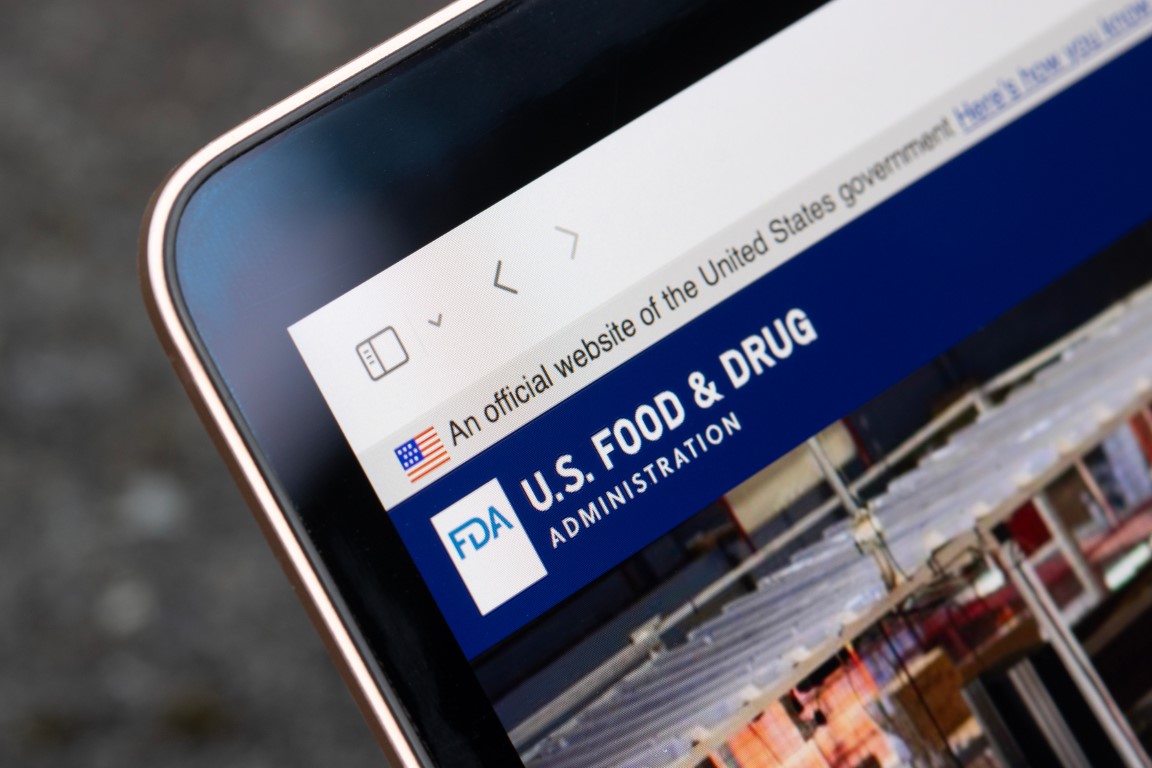
At BW Packaging, we realize that food safety regulations have never been more stringent. As supply chains grow more complex and consumer awareness of contaminants increases, adhering to the Food and Drug Administration (FDA) standards is essential for maintaining brand integrity and public trust, particularly with looming food safety audits.
Now, we will review the main pillars of FDA food safety compliance and outline seven critical steps that packaging operations can take to ensure thorough readiness for audits. That way, you can learn how leveraging advanced equipment including the Hayssen ISB leading sanitary VFFS bagger can streamline these efforts and set you on a path of consistent success.
Understanding FDA Food Safety Regulations
Food packaging is no longer just a matter of aesthetics and shelf life. Regulators have recognized that contaminants can enter at various points in the supply chain, from raw material handling to final sealing and labeling. For operations that directly handle or package consumables, the FDA’s rules, primarily driven by the Food Safety Modernization Act (FSMA), lay out strict requirements on cleanliness, traceability, and preventive measures.
Key Regulatory Frameworks
The FSMA empowered the FDA to move from a primarily reactive role, where action followed contamination events, to a more preventive approach. This shift has resulted in:
- Hazard Analysis and Risk-Based Preventive Controls (HARPC): Requiring facilities to identify potential hazards, implement control measures, and monitor their effectiveness.
- Sanitary Transportation Regulations: Mandating conditions under which food is transported, ensuring temperature and hygiene controls.
- Foreign Supplier Verification Programs (FSVP): Holding importers accountable for verifying the safety and quality of foreign-sourced products.
Taken together, these frameworks challenge packaging lines to maintain rigorous standards around equipment sanitation, product coding, and employee training. A single weak link, like a poorly cleaned filling nozzle or misapplied date code, can invite a warning letter or recall.
Common Compliance Issues
Even well-intentioned operations can stumble. Some typical pitfalls include incomplete documentation, which can obscure how thoroughly cleaning was performed or whether each step in the chain was logged. Cross-contamination can occur if the same machinery is used for different product types without proper cleaning, especially where allergens are involved. Another frequent shortfall lies in employee knowledge; if staff don’t grasp the “why” behind each procedure, corners might get cut under time pressure, leading to lapses in safety.
By recognizing these vulnerabilities, packaging managers can proactively address them, reinforcing a culture where safety is integral, not just an afterthought.
Importance of a Proactive Audit Mindset
A scheduled inspection, a reported issue, or a random check can prompt an FDA audit. Being proactive means implementing best practices year-round rather than scrambling at the last minute. By normalizing rigorous standards and continuous improvement, a facility can confidently welcome inspectors, knowing that routine practices align with regulatory benchmarks.
Operating with a proactive mindset yields several advantages. First, it prevents surprises: if you’re already documenting cleaning, calibrating equipment, and enforcing SOPs, you’re less likely to discover major gaps under the scrutiny of an auditor. Second, staff remain calmer and more prepared.
A few essential elements of proactive compliance include:
- Continuous Improvement: Regularly review processes for possible enhancements.
- Detailed Record-Keeping: Maintain up-to-date logs of cleaning, maintenance, and product traceability.
- Employee Involvement: Engage staff at all levels to foster ownership of food safety responsibilities.
- Risk-Based Approach: Allocate resources to areas with the highest contamination or hazard potential.
- Effective Communication: Keep lines open between departments so that any safety concerns surface quickly.
By embedding these principles into day-to-day operations, you transform your facility into one that stands ready for any regulatory review.
7 Critical Steps to Ensure Audit Success
Compliance with FDA rules is multifaceted. Each facility has unique products, machinery, and workflows, but certain fundamentals hold true across the board. Key steps to help packaging operations prepare comprehensively include:
- Conduct Regular Internal Assessments: Periodically simulate an FDA-style audit in-house. Use checklists mirroring official criteria, covering cleaning, labeling, traceability, and employee training.
- Establish Clear SOPs: Standard Operating Procedures for tasks like sanitation, allergen handling, and maintenance ensure uniformity across shifts. These SOPs should be detailed, consistently followed, and easily accessible to staff.
- Document Everything: Thorough documentation underpins food safety compliance. Keep logs for temperature monitoring, equipment calibration, cleaning schedules, and production batches.
- Train Staff Thoroughly: A well-trained workforce is your first defense against contamination or mislabeling. Provide onboarding programs, regular refresher courses, and on-the-floor mentoring.
- Implement Traceability Systems: From raw materials to final packaging, each stage must be traceable. Barcoding or RFID can track which batches went where, so if a recall occurs, you can isolate the affected products quickly.
- Validate Equipment and Processes: Regular calibration and performance checks on weighers, sealers, and labeling systems confirm they meet the required tolerances. If your packaging line includes sensors for temperature or fill verification, ensure these devices are tested routinely.
- Create a Crisis Management Plan: Even the best-prepared facility can face contamination, labeling errors, or product mix-ups. Outline recall procedures, define communication channels, and assign responsibilities beforehand.
Each of these measures reinforces the others, forming a cohesive safety net against hazards. Furthermore, the structure helps avoid duplication of efforts, allowing managers to focus resources where they’ll have the greatest impact.
Overcoming Common Audit Challenges
Adopting these steps systematically can mitigate many pitfalls. Still, certain challenges frequently pop up during actual audits. Preparation and consistency are key in addressing them before they become major liabilities.
Documentation Gaps
One of the biggest audit red flags is missing or inconsistent documentation. Inspectors often ask to see logs or records for any random date or batch, and if the requested paperwork is incomplete, the facility could be cited. A digital recordkeeping platform, one that time-stamps entries and prevents retroactive edits, can reduce the risk of human error or lost files. Managers should periodically check documentation to ensure data integrity.
Equipment Sanitation Concerns
Packaging lines are only as clean as their last wash-down. If residues, especially from allergen-containing products, remain on conveyors or filler components, cross-contact can compromise the entire batch. Regularly verifying equipment hygiene, visually and through swab tests, helps demonstrate vigilance. Some facilities adopt automated cleaning-in-place (CIP) systems for filling lines, ensuring consistent sanitation cycles without relying on manual scrubbing.
The Role of Technology in Food Safety Compliance
Staying ahead of regulatory scrutiny increasingly involves harnessing modern tech solutions that streamline data collection and machine operation. In many packaging environments, sensors and IoT devices track machine performance around the clock, automatically logging metrics like sealing temperatures, throughput rates, and downtime events. These data points create a digital audit trail that inspectors can review to confirm consistent operation within safe parameters.
In addition, user authentication features on advanced control systems ensure that only authorized personnel can alter critical settings, preventing unauthorized changes that might lead to contamination. Alerts or alarms can also be set up to notify supervisors if equipment drifts outside of validated specifications, letting you address issues instantly rather than discovering them post-production.
Secure FDA Compliance With Hayssen ISB
No matter how rigorous your procedures, reliable packaging machinery remains a cornerstone of food safety. The Hayssen ISB line exemplifies hygienic design, effortless cleaning, and integrated data capture that simplify compliance tasks. Every seam, surface, and control panel is engineered to minimize harborage points where bacteria could lurk, supporting your broader sanitation efforts.
By relying on BW Packaging, you’ll tap into a blend of advanced equipment and expert guidance. We’ll help you configure a system that merges seamlessly with your SOPs, traceability protocols, and documentation platforms. Reach out to us today to learn how Hayssen ISB can bolster your FDA audit readiness.
 %> "Flexible Packaging Solutions")