
 Flexible Packaging Solutions | Nov 11, 2025
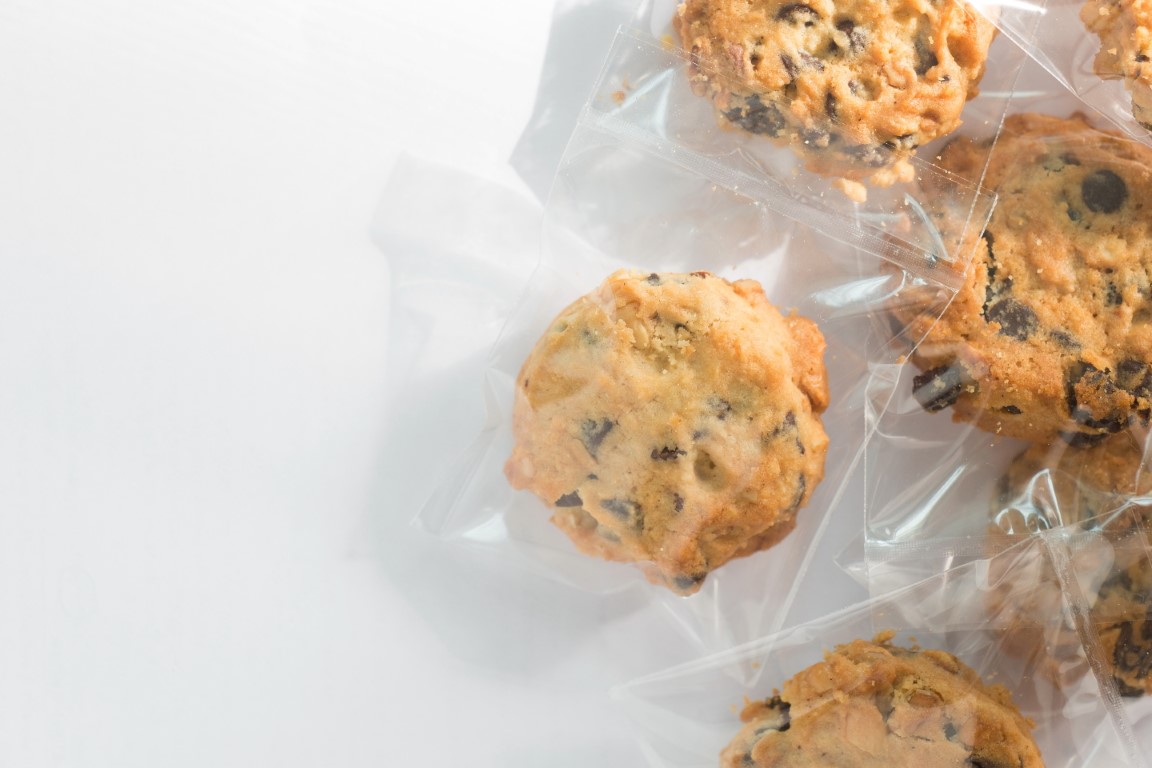
At BW Packaging, we’ve witnessed how critical the right packaging can be in delivering consistently fresh, appealing bakery products. From artisanal breads to delicate pastries, maintaining texture, flavor, and shelf-life hinges on precise wrapping techniques and materials. Next, explore how flow wrapping helps retain bakery freshness, reduce spoilage, and satisfy consumer expectations for taste and convenience. Then, discover how the right machinery and operational choices can transform your bakery operation into a high-efficiency, high-quality production line.
Understanding the Unique Challenges in Bakery Packaging
Baked goods are prized for their aroma, crust, and texture; however, those characteristics are notoriously short-lived if exposed to air, heat, or moisture fluctuations. Freshly baked items can lose their appeal within hours if not properly wrapped and stored. Small pinholes or misaligned seals can lead to dryness, staleness, or even mold development. With consumer expectations at an all-time high, packaging has become a frontline defense in preserving the premium eating experience customers crave.
Beyond preserving the product, packaging also heavily influences brand perception. Shoppers often equate well-presented baked goods with superior taste and freshness. Eye-catching designs, clear branding, and resealable features help differentiate offerings in a competitive market. When done correctly, packaging can extend product shelf life, reduce returns for staleness, and bolster a company’s reputation for consistent quality.
The Basics of Flow Wrap Technology
Flow wrapping involves feeding products horizontally into a forming machine that encloses them in film and then seals both the top and ends. This continuous process is highly efficient, making it popular for baked goods that need a quick turnaround. The forming collar shapes the film into a tube, allowing items to pass through, after which a fin seal closes the underside. Subsequent end seals create individual packages at consistent spacing.
This approach is particularly useful for bakery items because it allows for gentle handling. Fragile pastries or intricately decorated items can be inserted onto infeed conveyors with minimal jostling. Compared to other packaging methods, flow wrapping reduces friction and compression, preserving the product’s structure.
Selecting the Right Packaging Materials for Bakery Freshness
One of the primary goals of bakery packaging is to guard against oxygen ingress and moisture loss. Oxygen speeds up staling, while excess moisture can soften crispy surfaces or encourage microbial growth. Multi-layer films with high oxygen and moisture barriers slow these processes significantly, helping bread and pastries remain flavorful. For example, polypropylene films are frequently used because they combine clarity, seal ability, and moderate barrier properties, striking a balance between cost and protection.
Yet not every product needs a complete moisture lock. Some bakery items benefit from slight breathability to prevent condensation. Specialty materials that incorporate micro-perforations or anti-fog treatments can maintain an equilibrium between protecting products and avoiding excess humidity. The choice of film hinges on the item’s shelf-life requirements, desired texture, and whether the product is packaged immediately post-bake or after cooling.
Controlling Atmosphere and Sealing for Optimal Shelf Life
Modified Atmosphere PackagingModified atmosphere packaging (MAP) is a method of packaging products in polymer films that maintain a commodity-specific modified atmosphere such as reduced oxygen levels and elevated carbon dioxide levels.
Source: ScienceDirect.com (MAP) can be integrated with flow wrap lines, replacing oxygen with gases like nitrogen or carbon dioxide. This environment slows mold growth and preserves softness, particularly useful for items like tortillas, bagels, or packaged pastries sold over extended periods. The machine’s forming and sealing process must be carefully synchronized with gas flushing to ensure a proper seal under the modified atmosphere.
Even for products not using MAP, accurate temperature controls in the seal jaws are vital. If sealing temperatures are too low, the film may not fuse completely; if it is too high, the film can degrade or cause wrinkles that allow air pockets. Achieving the right balance secures a tight, reliable seal.
Setting Up a Flow Wrapping Line for Bakery Products
A successful flow wrap line starts with how items are fed onto the conveyor. Aligning products in a single-file arrangement, often using infeed guides or product grouping modules, prevents collisions or overlapping. If a product arrives at the wrapping station misaligned, the system can jam, or the seal might form unevenly.
Managing residual heat from freshly baked goods is another key concern. Packaging items that are still slightly warm can trap steam, leading to sogginess. Installing cooling racks or conveyors that allow ambient air to circulate helps regulate moisture. For high-humidity environments, dehumidifiers near the packaging line can stave off condensation that otherwise forms on the film.
Maintaining Product Quality During High-Speed Operations
Achieving high throughput without damaging bakery products requires striking a careful balance between conveyor speed and gentle handling. Overly rapid conveyor speeds can cause items to bump or fall, especially if the packaging line must handle multiple shapes or sizes. Smart sensors help monitor product position, detecting if a pastry becomes askew. When a jam is imminent, the system can pause or slow, preventing product damage.
Automated inspection systems further reduce errors. Vision or weight checks can flag any package lacking the correct seal or containing the wrong item. By removing the defective package before it proceeds further, bakeries avoid shipping compromised goods.
Storage and Distribution Considerations
Once sealed, products must remain in an environment that supports the chosen packaging’s barrier properties. Temperature fluctuations can cause condensation, leading to soggy or mold-prone baked goods. Warehouses and transport vehicles equipped with temperature or humidity control help maintain the sealed environment’s integrity. For sensitive pastries, even short exposure to high heat or extreme cold can degrade quality.
Proper labeling and coding also play a role in maintaining product standards. Printing batch numbers and best-before dates directly on each flow-wrapped item ensures traceability. In the event of a quality concern, lot numbers can quickly pinpoint the production run. This transparency not only safeguards consumers but also instills confidence in retailers.
Leveraging Data and Analytics to Boost Efficiency
Modern flow wrappers often come with integrated software that monitors performance metrics like packaging rate, downtime frequency, and seal integrity. Operators can analyze these data points to identify consistent bottlenecks, whether it’s film misalignment or insufficient cooling time. By making incremental adjustments, such as slightly reducing line speed or adjusting seal jaw temperatures, managers can see immediate improvements in output consistency.
In addition, historical data reveals trends that might not be evident on the factory floor day-to-day. If a spike in rejects correlates with a particular batch of film, procurement can investigate potential material defects. If throughput dips whenever a certain product is run, the line configuration might need fine-tuning.
Best Practices for Worker Training and Maintenance
A few key steps to ensure well-trained operators and reliable flow wrapper performance include:
- Focus on Core Machinery Mechanics: Operators should know how to load film correctly, adjust tension, and monitor seal consistency. A solid grounding in these fundamentals reduces mistakes and optimizes uptime.
- Provide Ongoing Training and Refreshers: Regular sessions keep experienced staff updated on new software or materials. New employees learn faster with a structured approach, minimizing early errors and downtime.
- Use Practical and Digital Resources: Hands-on demonstrations let workers hone skills in real-world scenarios. Online manuals and video tutorials reinforce lessons and clarify troubleshooting techniques.
- Conduct Routine Maintenance Checks: Scheduling cleaning, lubrication, and part inspections prevents crumb buildup or gear misalignment. Early detection of minor faults avoids sudden breakdowns that stall production.
- Replace Worn Parts Preemptively: Proactively switching out belts or cutting jaws keeps the line running smoothly. This approach averts extensive repairs and safeguards both machinery investments and product quality.
Together, these measures maintain steady output and ensure bakery teams can adapt seamlessly to fluctuating production demands.
Potential Innovations on the Horizon
Sustainable packaging materials are a rising focus in the bakery sector. Compostable or biodegradable films are under development, though they must still provide adequate moisture and oxygen barriers. As technology advances, we may see new hybrid materials that break down more readily in landfills yet remain sturdy enough to protect delicate pastries.
Smart packaging is another emerging area, with the possibility of QR codes or embedded sensors that track product freshness. Consumers could scan a code to learn about storage instructions, ingredients, or even the date the item was baked. These innovations tie into broader Internet of Things (IoT) trends, where data flows seamlessly from production through to the consumer’s experience.
Achieve Optimal Freshness with the Hayssen R300
At BW Packaging, quality control is key, and we give our clients the tools they need to do just that. Explore the Hayssen R300 flow wrapper, a high-performance solution designed to maintain product quality while maximizing throughput. Its precise control systems, robust sealing mechanisms, and user-friendly interfaces help ensure that each baked good emerges neatly wrapped and protected.
Contact us today and discover how the Hayssen R300 can elevate your bakery’s efficiency and product freshness.
 %> "Flexible Packaging Solutions")


.png?sfvrsn=f805495f_1 "The Killer Brownie Co.'s Bakery Packaging Success Story")